10 Early Signs of PCOS Every Woman Should Know
Polycystic Ovary Syndrome (PCOS) is a common hormonal disorder affecting millions of women. Early identification helps prevent long-term metabolic and reproductive complications.
Why Early Detection Matters
PCOS symptoms often go unnoticed because they mimic common lifestyle fluctuations. However, chronic irregular periods, acne, weight gain, and hair loss are clinical indicators that require attention.
Early detection improves fertility outcomes and significantly reduces the long-term risk of metabolic health issues like Type 2 diabetes and cardiovascular disease.
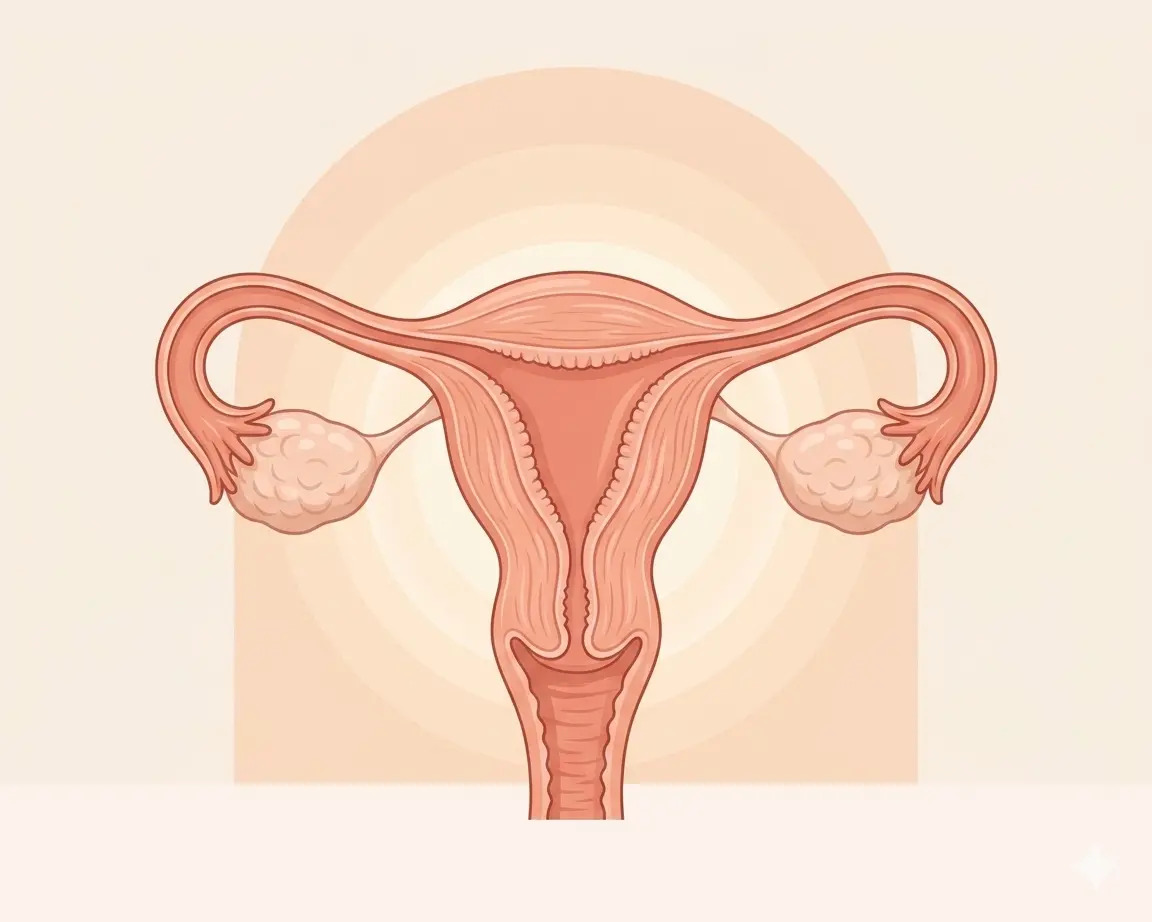
10 Early Signs of PCOS
PCOS Irregular Periods
Fewer than nine periods a year or cycles longer than 35 days.
This is often the most common sign. Missed or heavy, prolonged periods result from the lack of regular ovulation due to hormonal imbalance.
PCOS Acne Jawline
Persistent cystic acne specifically along the jawline and chin.
Hormonal acne is driven by excess androgens that increase oil production. Unlike typical acne, it commonly appears around the jawline and chin and often persists despite regular skincare treatments.
PCOS Weight Gain Belly Fat
Difficulty losing weight, particularly centered around the abdomen.
Weight gain in PCOS is often linked to insulin resistance, a condition where the body's cells become less responsive to insulin. This can increase fat storage around the abdomen and make weight loss more challenging.
Hair Thinning & Hair Loss
Noticeable thinning of hair on the scalp or a widening part.
Elevated androgen levels can gradually shrink hair follicles, leading to thinner hair and reduced density over time. Many women first notice a widening part line or increased hair shedding while brushing or washing their hair.
Excess Facial Hair
Dark, coarse hair growth on the face, chest, or back (Hirsutism).
Excess androgen production can stimulate coarse, dark hair growth in areas where women typically have little visible hair. This symptom, known as hirsutism, commonly affects the chin, upper lip, chest, and lower abdomen.
Darkened Skin Patches
Velvety, dark patches in skin folds (Acanthosis Nigricans).
Dark, velvety patches of skin are commonly associated with insulin resistance, a key driver of PCOS. These changes often appear around the neck, underarms, groin, or beneath the breasts and may develop gradually over time.
Fatigue & Low Energy
Persistent low energy despite adequate sleep.
Fatigue in PCOS may be linked to insulin resistance, blood sugar fluctuations, poor sleep quality, and hormonal imbalances. Many women report feeling tired even after getting adequate rest.
Sleep Problems
Difficulty falling asleep, staying asleep, or waking up feeling unrested.
Women with PCOS are more likely to experience sleep disturbances and poor sleep quality. Sleep issues can worsen insulin resistance, fatigue, cravings, and other PCOS symptoms.
Difficulty Conceiving
Trouble getting pregnant despite trying regularly.
PCOS can interfere with regular ovulation, making it harder for an egg to be released each month. Many women first discover they have PCOS when investigating fertility challenges.
Mood Changes & Anxiety
Hormonal fluctuations may contribute to irritability, anxiety, and emotional ups and downs.
Research suggests that hormonal imbalances, inflammation, and the daily challenges of managing symptoms can affect emotional wellbeing. Anxiety and low mood are commonly reported by women with PCOS.
Frequently Asked Questions
Unsure about your symptoms?
Our AI-driven assessment cross-references your symptoms with clinical markers to determine your PCOS risk profile in under 2 minutes.
Take PCOS Risk Assessment