PCOS Diet Chart: A Simple 7-Day Indian Meal Plan
Discover a practical, sustainable Indian diet plan for managing PCOS, supporting hormonal balance, and improving overall wellbeing.
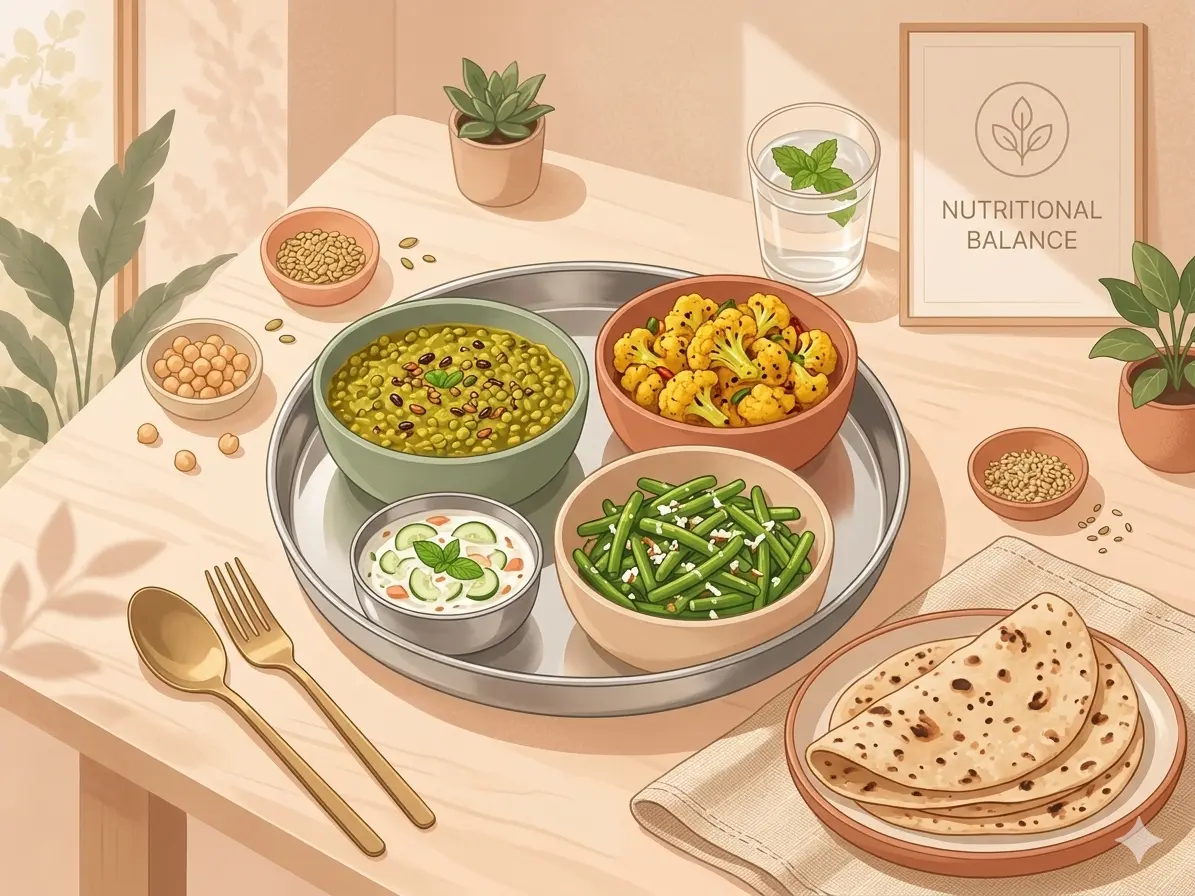
Why Nutrition is Critical for PCOS
Polycystic Ovary Syndrome (PCOS) isn't just about reproductive health; it's deeply tied to metabolic health. Approximately 70-80% of women with PCOS exhibit some level of insulin resistance, regardless of weight.
By choosing foods that stabilize blood sugar and reduce inflammation, you can directly influence your hormone production, improve egg quality, and manage symptoms like acne, hirsutism, and irregular cycles.
"Many women with PCOS experience insulin resistance, making nutrition an important part of symptom management. It's not about restriction, but about nourishment."

How Diet Helps Manage PCOS Symptoms
Targeted nutrition addresses the root causes of PCOS symptoms, not just the surface effects.
Insulin Resistance
Stabilizing blood sugar levels to reduce excess androgen production and improve metabolic flexibility.
Weight Gain
Focusing on metabolic health and high-satiety foods to manage weight without restrictive dieting.
Irregular Periods
Supporting the delicate hormonal signals required for regular ovulation and cycle predictability.
Acne
Reducing systemic inflammation and sebum-triggering hormones that lead to hormonal breakouts.
Cravings
Managing the "insulin roller coaster" with high-fiber, high-protein meals to eliminate sugar crashes.
Core Principles of PCOS Nutrition
Foundational habits that make any meal plan effective for hormonal balance.
Prioritise Protein
Keeps you full and regulates insulin response.
High-Fibre Foods
Improves digestion and slows glucose absorption.
Healthy Fats
Essential for hormone synthesis and brain health.
Stay Hydrated
2-3 liters daily to flush toxins and support cells.
Limit Processing
Avoid additives that disrupt hormonal pathways.
The 7-Day Balanced Diet Chart
A flexible guide designed for the Indian palate. Adjust portion sizes based on your activity levels.
Breakfast
Oats chilla with mint chutney
Mid-Morning
A handful of walnuts & almonds
Lunch
Brown rice, Moong dal, Saag
Evening
Green tea & roasted makhana
Dinner
Paneer bhurji with 1 bajra roti
Breakfast
Vegetable Poha with peanuts
Mid-Morning
1 seasonal fruit (Guava/Apple)
Lunch
Quinoa khichdi with plenty of veg
Evening
Spiced buttermilk (Chaas)
Dinner
Grilled fish or Tofu with salad
Breakfast
Sprouted moong salad
Mid-Morning
Tender coconut water
Lunch
Ragi roti with Mix Veg & Curd
Evening
Roasted chana (chickpeas)
Dinner
Lentil soup with sauteed greens
Breakfast
Besan chilla with grated veg
Mid-Morning
Papaya bowl
Lunch
Brown rice, Rajma, Cucumber salad
Evening
Lemon water (no sugar)
Dinner
Chicken or Soy curry & salad
Breakfast
Hung curd sandwich (Whole grain)
Mid-Morning
Handful of seeds (Pumpkin/Sunflower)
Lunch
Millet Biryani with Raita
Evening
Sprouts with lemon squeeze
Dinner
Lauki ki sabzi & 1 multi-grain roti
Breakfast
Soft idlis (made with millets)
Mid-Morning
Pomegranate seeds
Lunch
Dalia (broken wheat) with veg
Evening
Ginger tea & almonds
Dinner
Boiled eggs or Paneer with Broccoli
Breakfast
Vegetable oats upma
Mid-Morning
Coconut water
Lunch
Bajra roti, dal & mixed vegetables
Evening
Roasted makhana
Dinner
Paneer tikka with salad
Functional Foods for PCOS
Incorporate these nutrient powerhouses into your daily rotation.
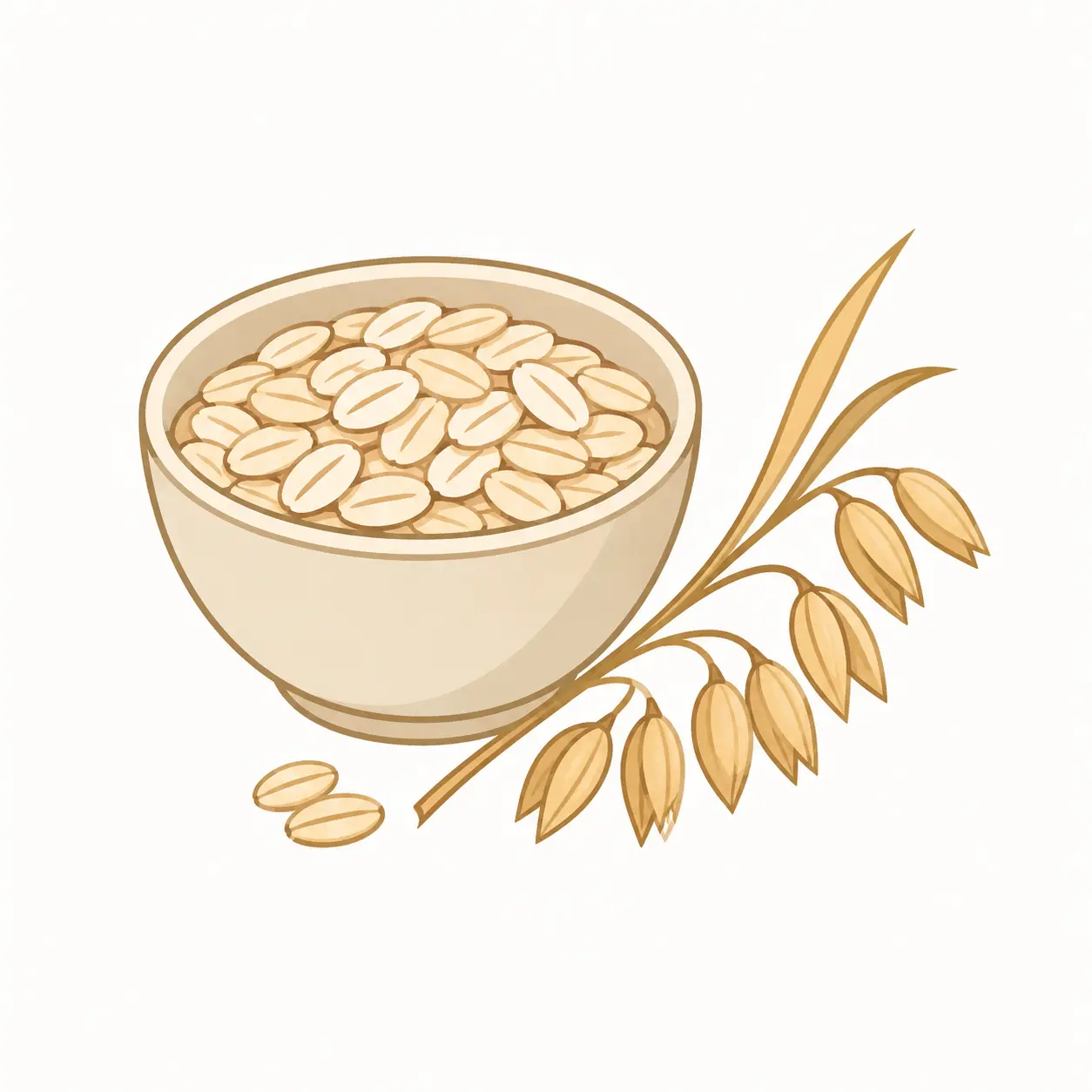
Oats
Low GI complex carb
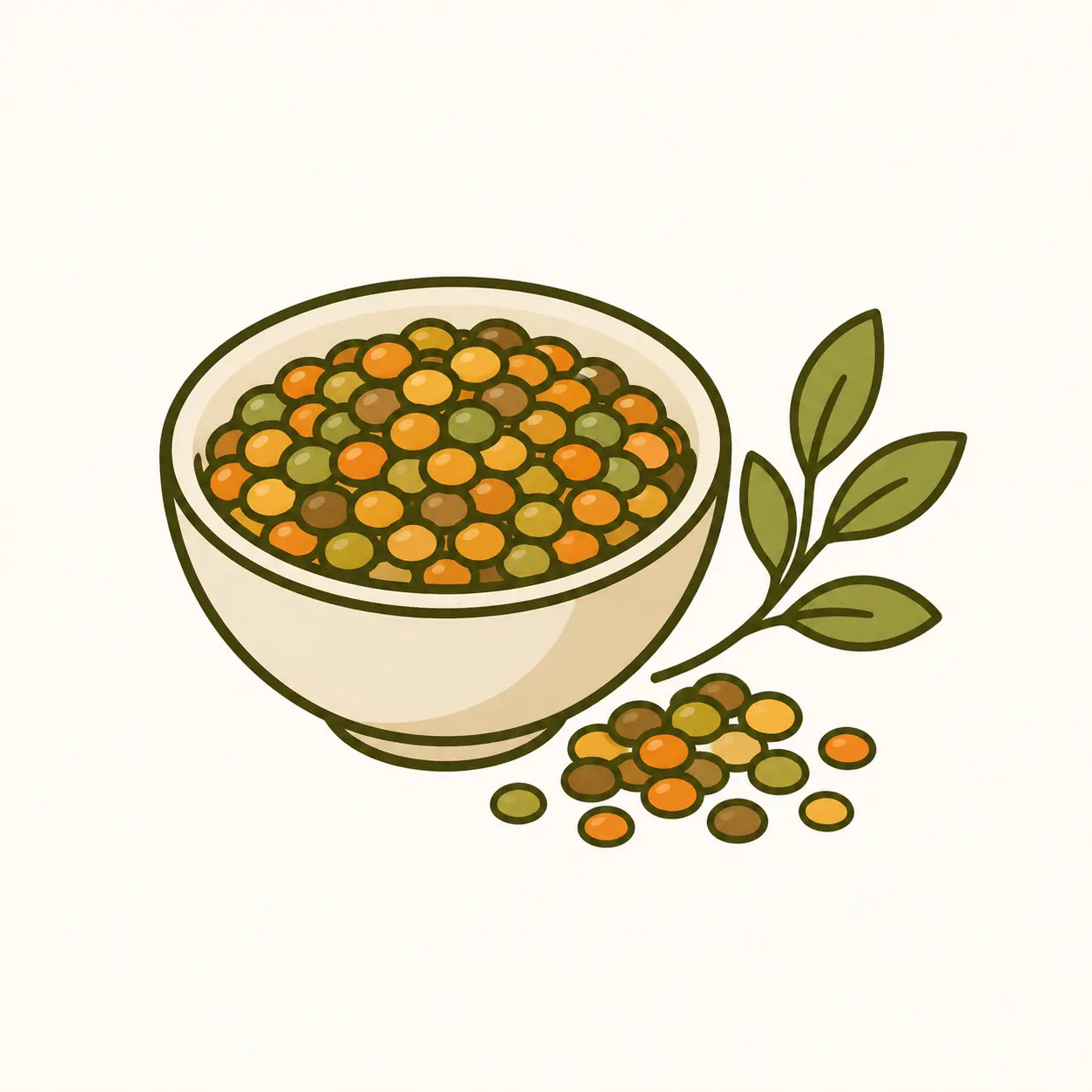
Lentils
High-protein fiber source
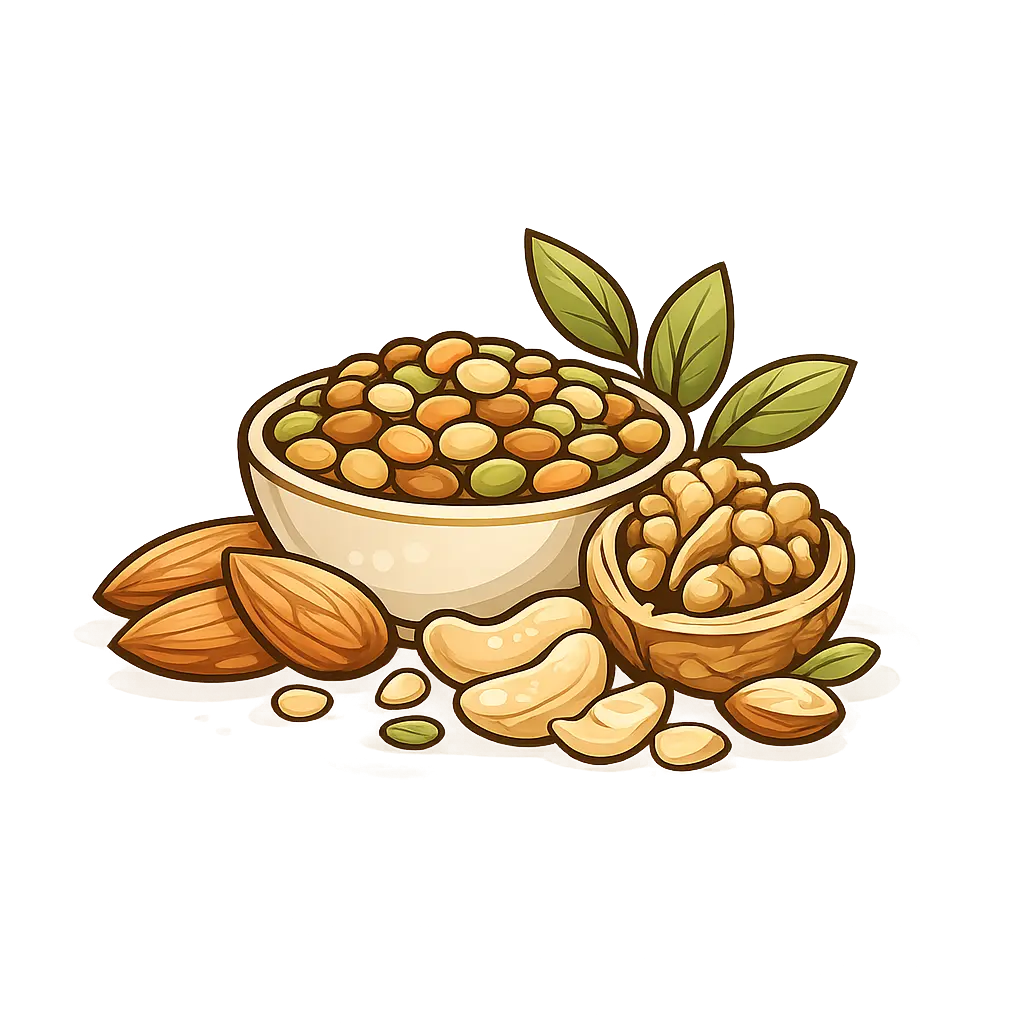
Nuts
Omega-3 & Vitamin E
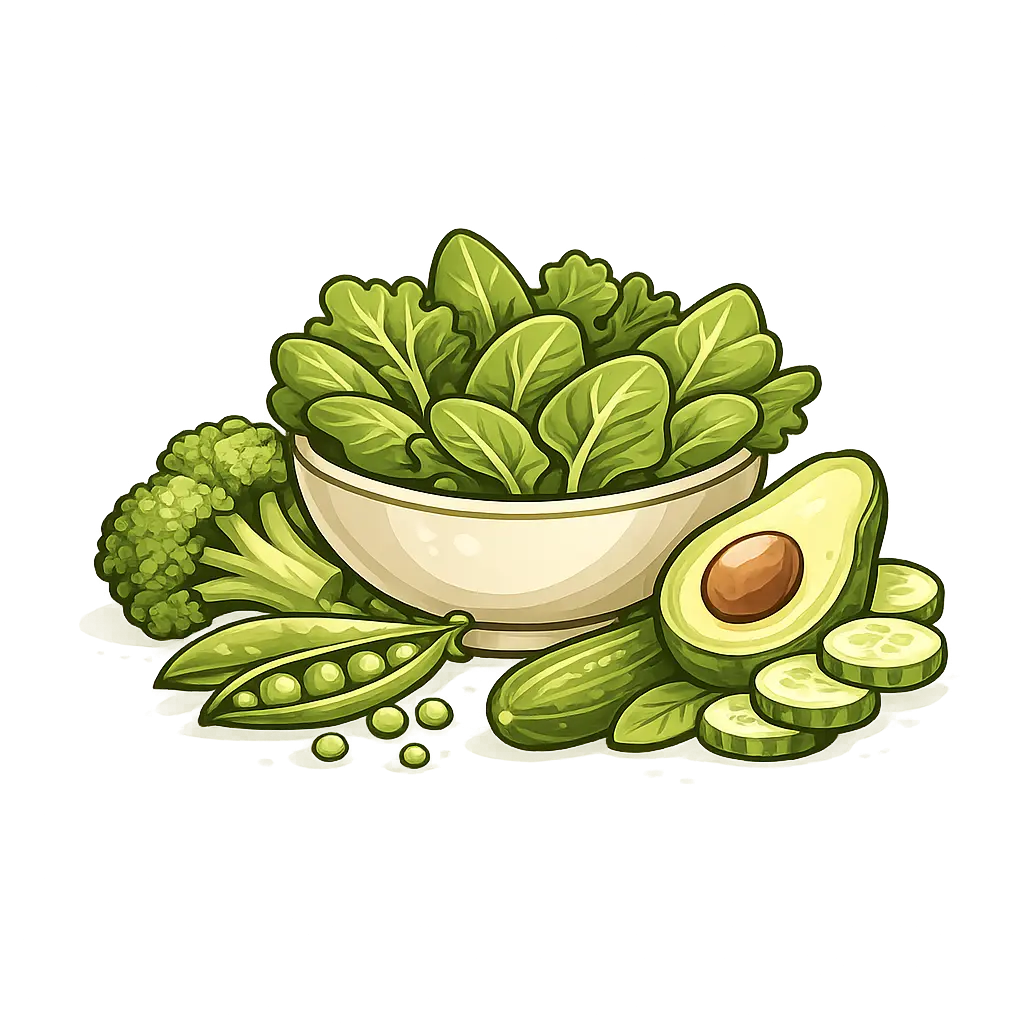
Greens
Folate & Magnesium rich
Foods to Eat vs Foods to Avoid
A simple guide to making better choices for your hormonal health every day.
Focus On
-
Complex Carbs
Oats, ragi, brown rice, and millets.
-
Lean Protein
Paneer, lentils, sprouts, eggs, and tofu.
-
Healthy Fats
Walnuts, flax seeds, chia seeds, and avocado.
-
Fiber-rich Veggies
Spinach, broccoli, cauliflower, and beans.
Limit / Avoid
-
Refined Flour
Maida snacks, white bread, and biscuits.
-
Sugary Sodas
Carbonated drinks and high-sugar fruit juices.
-
Deep-fried Snacks
Pakoras, samosas, and oily street food.
-
Processed Sweets
Mithai with high sugar and artificial syrups.
Common PCOS Nutrition Mistakes
Skipping Meals
Triggers blood sugar dips and leads to overeating later.
Crash Dieting
Slows metabolism and spikes cortisol levels.
Cutting All Carbs
Can disrupt thyroid function and cause hormonal crashes.
Packaged Health-Foods
Often hidden with sweeteners and preservatives.
Ignoring Sleep
Poor sleep ruins insulin sensitivity, regardless of diet.
Frequently Asked Questions
What is the best breakfast for PCOS? expand_more
Protein-rich breakfasts like moong dal chilla, egg scrambles with vegetables, or sprouted salads are excellent for PCOS as they prevent mid-day energy crashes and cravings.
Can I eat rice with PCOS? expand_more
Yes! You can include rice, but prefer brown rice or red rice over polished white rice. Always pair it with fiber (vegetables) and protein (dal/paneer) to lower the glycemic response.
Is weight loss necessary to see results? expand_more
Not necessarily. Even a 5% improvement in metabolic health through diet can significantly regulate periods and ovulation, even before substantial weight loss occurs.
How long to see results? expand_more
Consistency is key. Most women report feeling better within 2-3 weeks, but hormone regulation and cycle stability typically take 3-6 months of sustained dietary habits.
Need Personalised PCOS Guidance?
Every body is different. Work with our clinical nutritionists to create a plan that fits your lifestyle, blood work, and goals.
Book Your Free Consultation